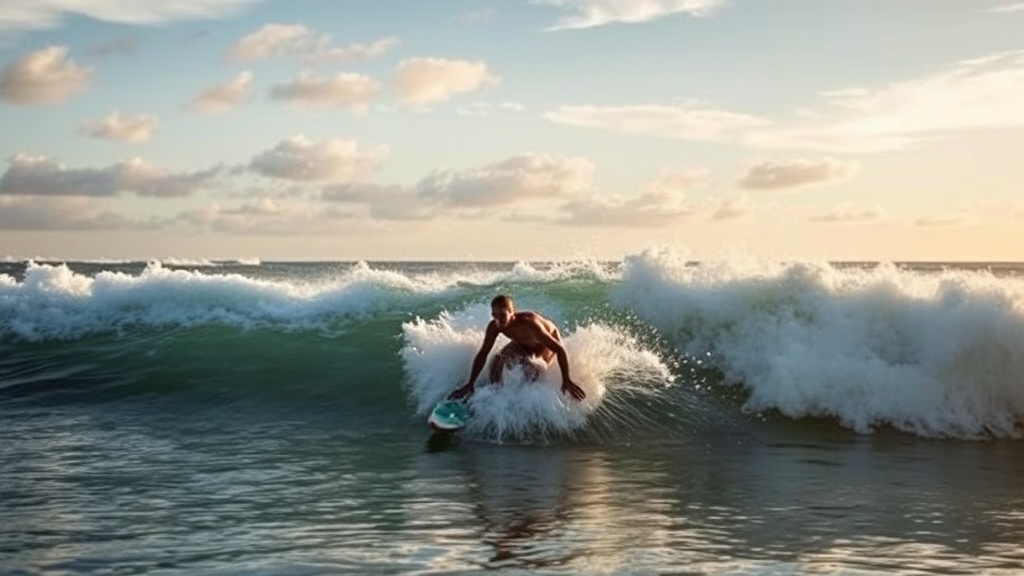
Why Your Post-Surf Recovery Routine Dictates Your Longevity

The average high-intensity paddle session can leave your muscle fibers in a state of micro-trauma for up to 72 hours. While most people think the work ends when they pull the kayak out of the water, the physiological reality is that your body is just beginning a complex repair process. Neglecting this phase doesn't just make you sore—it actively degrades your athletic ceiling and increases your risk of chronic injury. This post examines how targeted recovery protocols can protect your physical longevity in the water.
Can You Recover Faster Between Heavy Surf Sessions?
Speeding up recovery isn't about a magic pill; it's about managing inflammation and facilitating blood flow. When you're fighting heavy whitewater or performing high-intensity intervals, your body relies on ATP and oxygen delivery. Once the session ends, your sympathetic nervous system is still red-lined. You need to shift into a parasympathetic state—the "rest and digest" mode—to actually start repairing. One of the most effective ways to do this is through temperature manipulation. Cold water immersion (CWI) can help reduce acute swelling, but overusing it might actually blunt muscle hypertrophy if you're training for raw strength. Instead, focus on gentle movement. A light walk or a low-resistance spin on a bike helps flush metabolic waste without adding more stress to your joints.
Blood flow is your best friend here. If you've spent three hours fighting a heavy swell, your connective tissues are likely dehydrated and compressed. Using a foam roller or a massage tool isn't just about "feeling better"; it's about increasing the mechanical-sensory input to your nervous system. This helps reset the tone of your muscles. If you find yourself stuck in a cycle of constant stiffness, you're likely not addressing the circulatory aspect of your recovery.
What Are the Best Low-Impact Recovery Methods for Paddlers?
For those of us who spend a lot of time in a seated, forward-leaning position, the physical toll is highly specific. Your hip flexors are constantly shortened, and your thoracic spine is often rounded. Traditional stretching often fails here because it's too passive. You need active recovery that addresses these specific patterns.
- Soft Tissue Work: Use a lacrosse ball to target the glutes and the T-spine. This isn't about deep pain; it's about releasing tension in the fascia.
- Breathwork: Controlled, nasal breathing during your drive home can kickstart the transition to a recovery state.
- Hydration and Electrolytes: It's not just about water. You're losing sodium, magnesium, and potassium through sweat, even in cooler air temperatures.
As we approach Earth Day, it's worth noting that many high-end recovery tools—like fancy electronic percussion massagers or chemical-heavy topical creams—have a significant manufacturing footprint. If you want to stay sustainable, focus on the basics: movement, breath, and natural hydration. You don't need a gym full of gadgets to stay functional. A simple yoga mat and a heavy ball can do more for your longevity than an expensive, disposable recovery kit.
Does Nutrition Play a Role in Muscle Repair?
You can't out-train a bad recovery diet. If you're hitting the waves for four hours and then eating processed junk, you're essentially pouring water into a leaking bucket. Your muscles need amino acids to rebuild the protein structures you've broken down during heavy paddle sessions. Aim for a high-quality protein source within an hour of finishing your session. This isn't just for bodybuilders; it's for anyone who wants to still be able to paddle comfortably in ten years.
Studies from the National Center for Biotechnology Information (NCBI) suggest that protein intake is a primary driver in muscle protein synthesis. If you're neglecting this, you're inviting long-term fatigue. Similarly, don't ignore carbohydrates. They replenish the glycogen stores in your muscles, which is the fuel you'll need for your next session. If you're constantly feeling "flat" or depleted, your glycogen levels are likely chronically low because of poor post-session fueling.
"The work you do in the water is only half the battle; the work you do on the shore determines how much you can repeat that work tomorrow."
A sustainable approach to the outdoors also means being mindful of what we put into our bodies. Choosing whole, unprocessed foods isn't just better for your performance—it's a more sustainable way to live and support the ecosystems we love to play in. Avoid the highly processed, packaged-heavy diets that contribute to global waste. A simple, real-food approach is better for your gut, your muscles, and the planet.
Lastly, sleep is the undisputed king of recovery. If you're getting five hours of sleep, no amount of foam rolling or electrolyte supplementation will save you from the inevitable burnout. Sleep is when the most intense cellular repair happens. Treat your sleep schedule with the same respect you treat your training schedule. If you want to keep exploring the coast and the rivers for decades, you have to prioritize the downtime as much as the uptime.