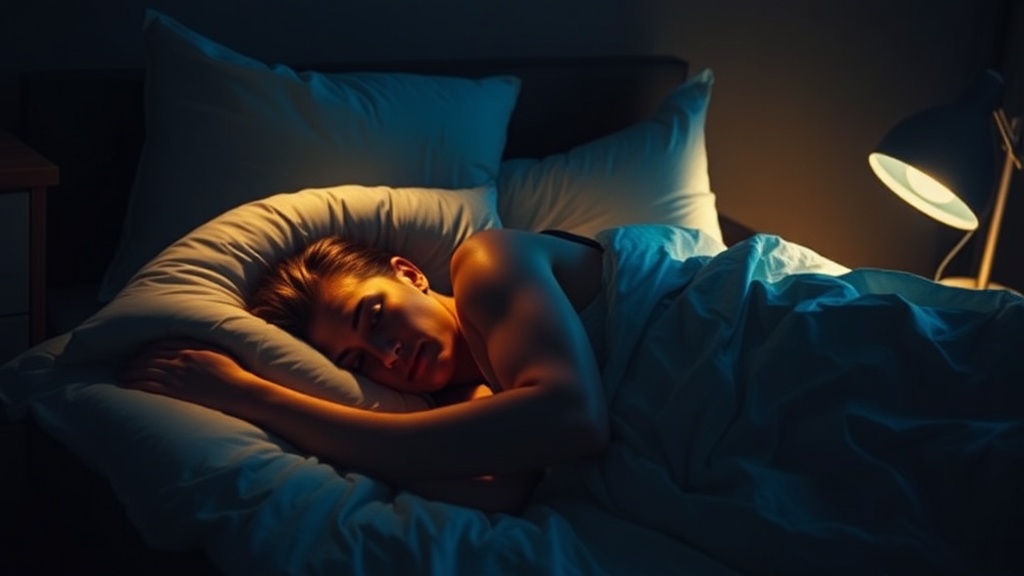
Sleep Hygiene for Faster Muscle Repair Between Sessions
This post explains how optimizing your sleep hygiene directly accelerates muscle recovery and reduces inflammation following high-intensity paddling sessions. You'll find specific protocols for managing light exposure, temperature, and nutrition to ensure your body actually repairs the micro-tears caused by heavy bracing and repetitive strokes.
When you're out in the swell, your body is under immense physical stress. Your core is stabilizing against waves, your shoulders are rotating through thousands of strokes, and your grip is fighting for position. If you aren't sleeping well, you aren't just "tired"—you're actually slowing down your ability to get back in the water. Physical repair happens almost exclusively during deep sleep cycles, not while you're sitting on the beach checking the swell report.
How Does Sleep Affect Muscle Recovery?
Sleep is the primary period when your body releases growth hormone and performs cellular repair. Without sufficient deep sleep, the protein synthesis required to fix your muscles after a heavy session is significantly stunted.
During the deep stages of the sleep cycle, your body moves into an anabolic state. This is when the heavy lifting happens. While you're unconscious, your body is busy repairing the tissue damage from those intense sessions. If you cut your sleep short, you're essentially cutting your recovery short. It's a simple biological trade-off. You can take all the supplements in the world, but they won't do much if you're skipping the restorative phases of sleep.
Think about the last time you felt completely wiped out after a long day in the ocean. That heavy, leaden feeling in your limbs isn't just fatigue; it's often a sign of systemic inflammation that hasn't been cleared. Deep sleep helps regulate these inflammatory markers. If you want to maintain high performance, you have to treat sleep with the same discipline you treat your training-session nutrition.
For a deeper look at how nutrition supports your physical output, check out my previous post on fueling your body for long-distance ocean sessions. Nutrition and sleep are two sides of the same coin when it comes to recovery.
What Is The Best Way To Optimize A Sleep Environment?
The best way to optimize your sleep environment is to maintain a cool, dark, and quiet room that mimics a cave. Most people underestimate how much a slight temperature spike can ruin their sleep quality.
Your body temperature needs to drop to initiate sleep. If your room is too warm, you'll likely experience more frequent awakenings. I personally use a heavy blackout curtain and a small fan to keep the air moving. It's a cheap fix, but it works. A dark room also signals to your brain that it's time to produce melatonin. Even the tiny LED light from a phone charger can mess with your circadian rhythm if you aren't careful.
Here is a quick checklist for your "recovery zone":
- Temperature: Aim for 18°C (65°F) if possible.
- Light: Use blackout curtains or a high-quality sleep mask.
- Sound: Use white noise if you live in a noisy area of Toronto.
- Air Quality: Ensure there is some level of ventilation to prevent stuffiness.
I've found that even a small change—like switching to a weighted blanket—can make a massive difference in how much I toss and turn. It's about removing variables that cause friction in your rest.
How Much Caffeine Can I Drink Before Bed?
You should stop consuming caffeine at least 8 to 10 hours before your intended sleep time to avoid disrupting your deep sleep cycles. Caffeine has a long half-life, meaning it stays in your system much longer than you might realize.
That second espresso at 4:00 PM might feel fine in the moment, but it's likely stealing your REM sleep. Even if you can fall asleep after drinking coffee, the quality of that sleep is often compromised. You might sleep for eight hours, but you'll wake up feeling unrecovered. This is a common issue for athletes who rely on stimulants to get through long days on the water.
If you need a ritual to wind down, try switching to herbal teas. It's a psychological cue for your body to slow down. I often use a magnesium supplement or a chamomile tea in the evening to help signal the end of the day. It's not a magic pill, but it helps the transition.
| Factor | Impact on Sleep | Recommendation for Athletes |
|---|---|---|
| Caffeine | Blocks Adenosine receptors | Cut off by 2:00 PM |
| Blue Light | Suppresses Melatonin | No screens 60 mins before bed |
| Alcohol | Fragments Sleep Architecture | Avoid on training/session days |
| Temperature | Disrupts Core Cooling | Keep room under 20°C |
Does Post-Session Stretching Improve Sleep Quality?
Yes, gentle stretching and mobility work can help lower your cortisol levels and prepare your nervous system for rest. While intense stretching might be too much, light mobility helps transition the body from a state of high arousal to relaxation.
After a heavy session, your nervous system is often still "amped up." Your heart rate might be down, but your sympathetic nervous system is still firing. This is why you might feel "wired but tired." Implementing a dedicated mobility routine can help bridge that gap. For example, focusing on hip openers and thoracic mobility can help release the tension built up from bracing and heavy paddling.
I highly recommend looking into dynamic stretching for post-paddle shoulder relief. While that is great for immediate relief, doing a slower, static version of those movements in the evening can be a great way to signal to your brain that the work is done. It's about moving from the "fight or flight" mode back into "rest and digest" mode.
It's also worth noting that physical fatigue can actually make it harder to sleep if you don't manage the transition. If you go straight from a high-intensity ocean session to sitting on the couch watching a high-octane movie, your brain isn't going to shut off easily. You need a buffer zone.
The Sleep Foundation has a wealth of information on sleep cycles if you want to get technical about the science of REM and deep sleep. Understanding these cycles can help you realize that sleep isn't just "time off"—it's an active part of your training program.
If you're struggling with muscle soreness, it's rarely just about the muscles themselves. It's often a sign that your systemic recovery is lagging. Whether it's through better light management, temperature control, or timing your caffeine, every small adjustment helps. You can't out-train a lack of sleep, and you certainly can't out-paddle a bad recovery routine. Treat your sleep as a non-negotiable part of your gear list, just like your life vest or your paddle.