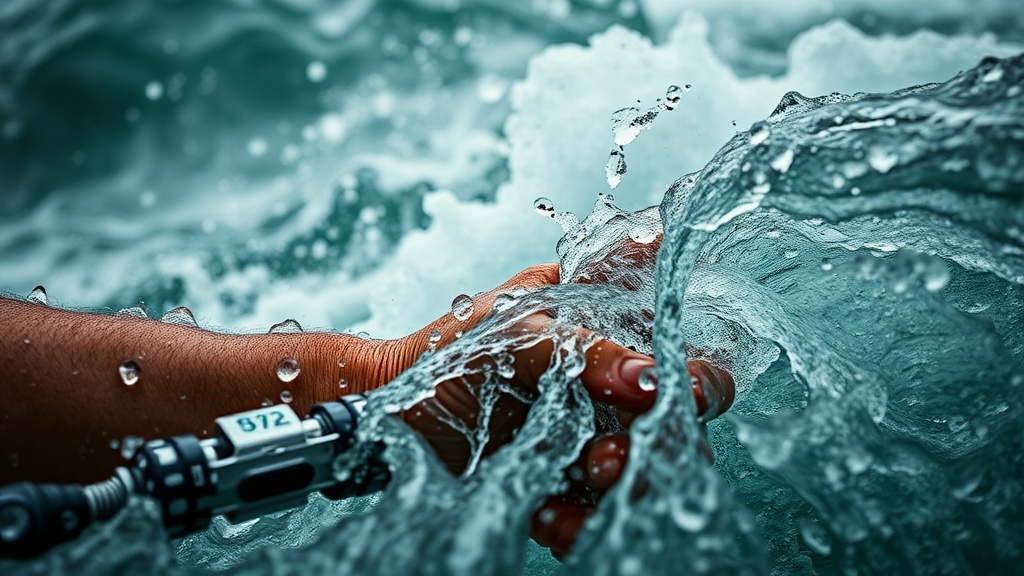
Developing Grip Strength for Long Sessions in Rough Water

Studies in hand ergonomics suggest that grip fatigue can set in within minutes of high-intensity repetitive motion. In the context of kayak surfing, this isn't just a minor annoyance—it’s a safety issue. If your hands give out while you're trying to stabilize in a breaking wave, you lose control of your paddle. This guide breaks down the mechanics of grip strength, specific training protocols, and recovery techniques to ensure your hands stay functional during heavy ocean sessions.
Why Does Grip Strength Matter for Kayakers?
Grip strength is the foundation of paddle control and stability in turbulent water. While your back and core do the heavy lifting, your hands act as the transmission between your body and the paddle blade. If your grip fails, your stroke becomes inefficient, and you lose the ability to react to sudden shifts in wave energy. It’s not just about holding on; it’s about the ability to apply precise pressure and torque when a swell hits.
A common mistake is focusing solely on forearm size. You actually need a combination of finger dexterity, crush strength, and isometric stability. Think about the difference between squeezing a ball and holding a heavy object steady—one is a burst of power, the other is endurance. For long-distance sessions, you need the latter.
If you find your hands cramping frequently, you might want to check out my previous post on dynamic stretching for shoulder relief, as shoulder tightness often leads to poor hand positioning.
How Can I Increase My Grip Strength for Paddling?
You can increase your grip strength through a mix of heavy resistance training, high-repetition endurance drills, and functional tool-based exercises. To build a well-rounded grip, you need to target three specific areas: the crush grip (squeezing), the pinch grip (fingertips), and the support grip (holding weight steady).
1. Crush Grip Training
This is the standard "squeeze" strength. Using a heavy-duty gripper like the IronMind Captains of Crush is a classic way to build this. Don't just do quick reps. Hold the squeeze at the maximum point of resistance for five to ten seconds. This builds the kind of raw power needed to stay locked into your paddle during a heavy surf chop.
2. Pinch Grip Training
This involves using your fingertips to hold objects. A great way to do this is by using heavy weight plates or even a specialized tool like the Atlas Stones training grip. This mimics the sensation of a paddle shaft feeling "slippery" or thin in your hands. It strengthens the small muscles in the palm that stabilize your grip when the paddle is vibrating from water impact.
3. Isometric Endurance
This is arguably the most important for long sessions. You aren't just lifting weights; you're holding them. Try "Farmer's Carries" using heavy dumbbells or kettlebells. Walk for a set distance or time without dropping the weights. This builds the ability of your muscles to resist fatigue over time.
The Grip Training Comparison Table
| Exercise Type | Primary Benefit | Example Tool/Movement |
|---|---|---|
| Crush Grip | Raw power and squeeze | Hand grippers (e.g., Captains of Crush) |
| Pinch Grip | Finger dexterity/control | Weight plate pinches |
| Isometric Hold | Endurance/Fatigue resistance | Farmer's Carries with kettlebells |
| Wrist Stability | Paddle edge control | Wrist rollers or heavy hammer holds |
What Are the Best Tools for Grip Training?
The best tools are those that allow for progressive overload, meaning you can gradually increase the difficulty as you get stronger. You don't need a full gym, but a few specific items will make a difference. If you're training at home, a simple set of adjustable dumbbells or even a heavy book can work.
For serious athletes, I recommend looking into specialized equipment. A high-quality grip strengthener is a staple. If you're looking for something more functional, a heavy sandbag can be used to practice uneven weight distribution. This is vital because, in the ocean, the weight of the water against your paddle is never perfectly balanced.
- Hand Grippers: Great for quick, high-intensity sets.
- Kettlebells: Best for building the "support grip" needed for long-distance paddling.
- Resistance Bands: Useful for wrist-specific stability and tendon health.
- Fat Grips: These are sleeves you put on dumbbells to make the handle thicker. A thicker handle is much harder to hold, which mimics the feeling of a larger-diameter paddle shaft.
Don't forget that your grip is also heavily influenced by your nutrition and hydration. If your electrolytes are off, your muscles will cramp regardless of how much you train. You can find detailed information on the physiological effects of dehydration on muscle function via the CDC website or similar health-focused resources.
How Do I Prevent Grip Fatigue During a Session?
Prevention starts with your setup and ends with your recovery. You shouldn't wait until your hands are shaking to address the problem. Part of the issue is often how much tension you're holding in your hands when you don't actually need to be gripping tightly. If you're constantly "death-gripping" the paddle, you'll burn out in twenty minutes.
Try to practice "active relaxation." This means having a firm enough grip to maintain control, but relaxing your fingers slightly during the recovery phase of your stroke. It’s a subtle skill (and a hard one to master) that saves a lot of energy. If you're constantly tensed up, you're wasting metabolic energy that should be going toward your core and legs. Speaking of the core, if your upper body is working too hard because your base is weak, your grip will suffer. Check out my guide on building core stability to see how a strong center helps your upper body efficiency.
Quick Tips for On-Water Relief:
- Shake it out: Periodically drop your hands away from the paddle and shake them to restore blood flow.
- Check your gloves: If you're using gloves, ensure they aren't too tight. Tight gloves can actually restrict circulation and accelerate fatigue.
- Hydrate with Electrolytes: Use a salt-rich drink during long sessions to prevent cramping.
It's also worth noting that footwear and even your seating position can play a role. If your feet aren't braced correctly, you'll use more arm strength to stabilize the boat, which puts more strain on your hands. Everything in a kayak is connected. A lack of foot tension often manifests as a "tight" upper body and hands.
If you feel a sharp pain in your tendons, stop immediately. Training through tendonitis is a recipe for a long-term injury. High-intensity grip work can be taxing on the small joints in the wrist. Always prioritize a slow, steady increase in volume over jumping into heavy weights too quickly.
Keep your training focused on the long game. Whether you're hitting the waves in Toronto or heading on a coastal trip, a strong, resilient grip is what keeps you in the water and out of the rescue boat.